YouTube · R/GA
YouTube Offline India
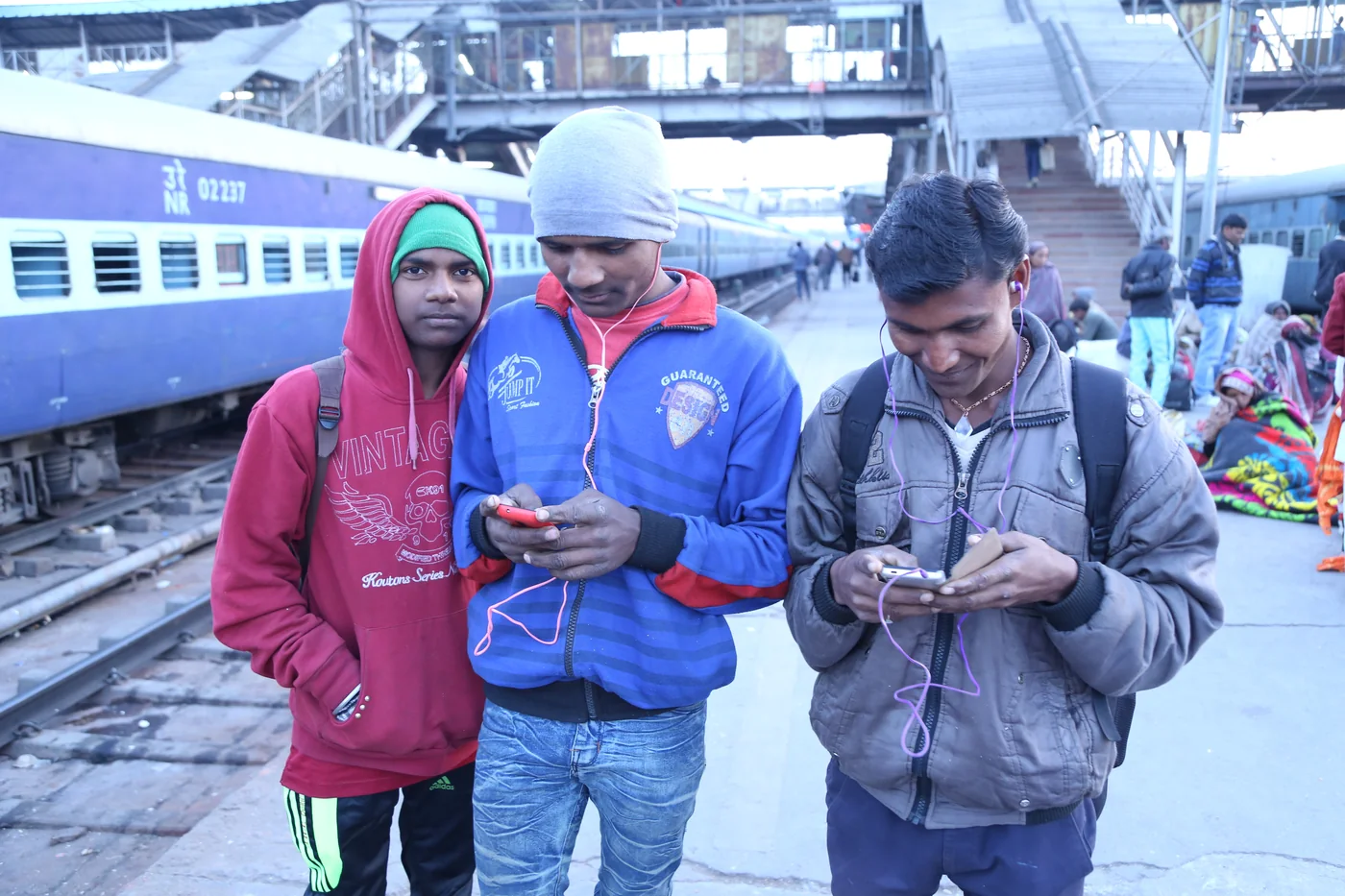
YouTube Station brings YouTube offline to India, where mobile data is scarce and expensive. Many of the people it's built for are first-time users who've never heard of Google or YouTube. It hands them content for free, straight to their phones, through a series of interactions that introduce, guide, and teach them YouTube.
Introduction to YouTube Offline
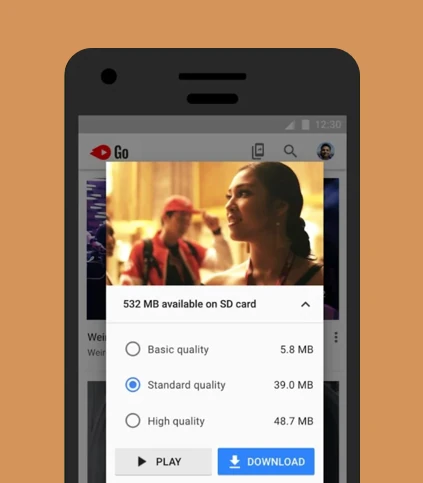
YouTube Go is a lighter version of YouTube built for India, with a headline feature the standard app lacks: offline video. Download on wifi, watch later, spend no data.
The challenge was awareness and access. Make first-time users understand what the app does and let them download it, in a place where every megabyte is rationed and many have never heard of Google or YouTube.
Designed for the realities of India
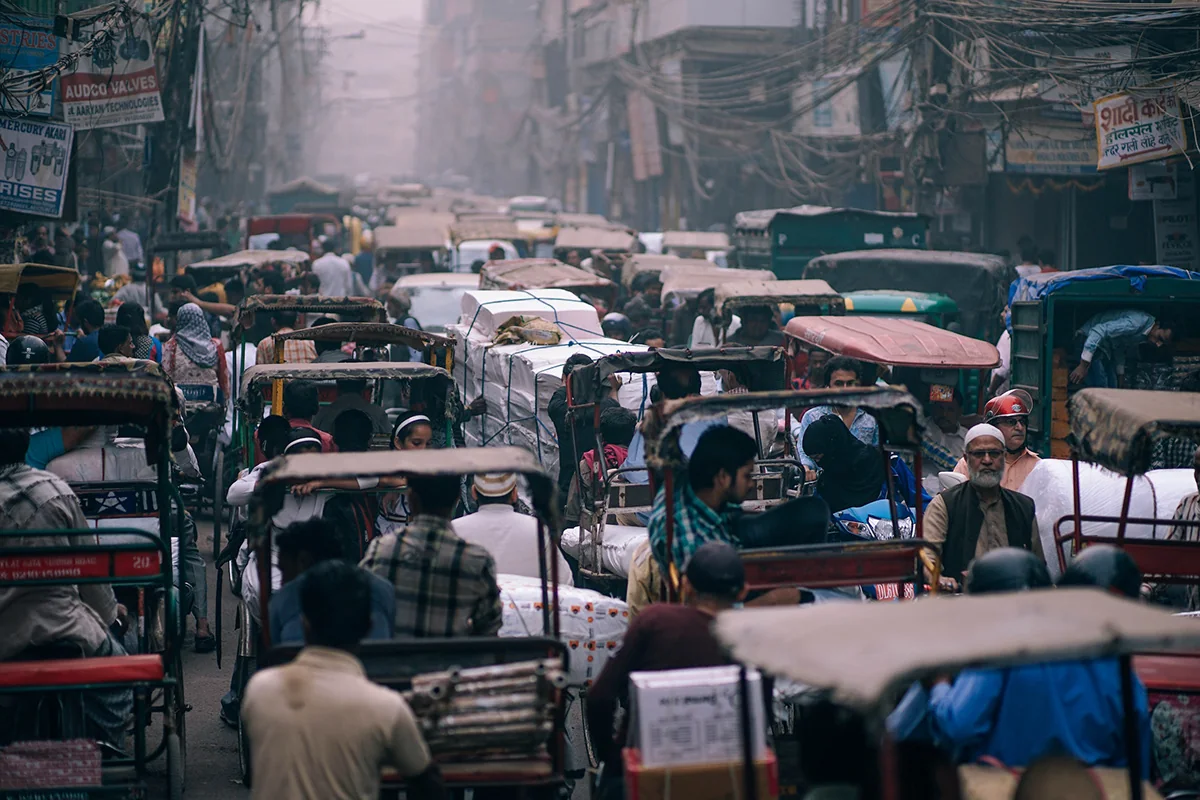
Here smartphone owners ration every megabyte, slow connections make rich media painful, and QR codes never reached wide adoption. The design assumes the lowest-spec phone and the one channel everyone already carries, SMS, so no one gets excluded.
We didn't build a screen. We built a place.
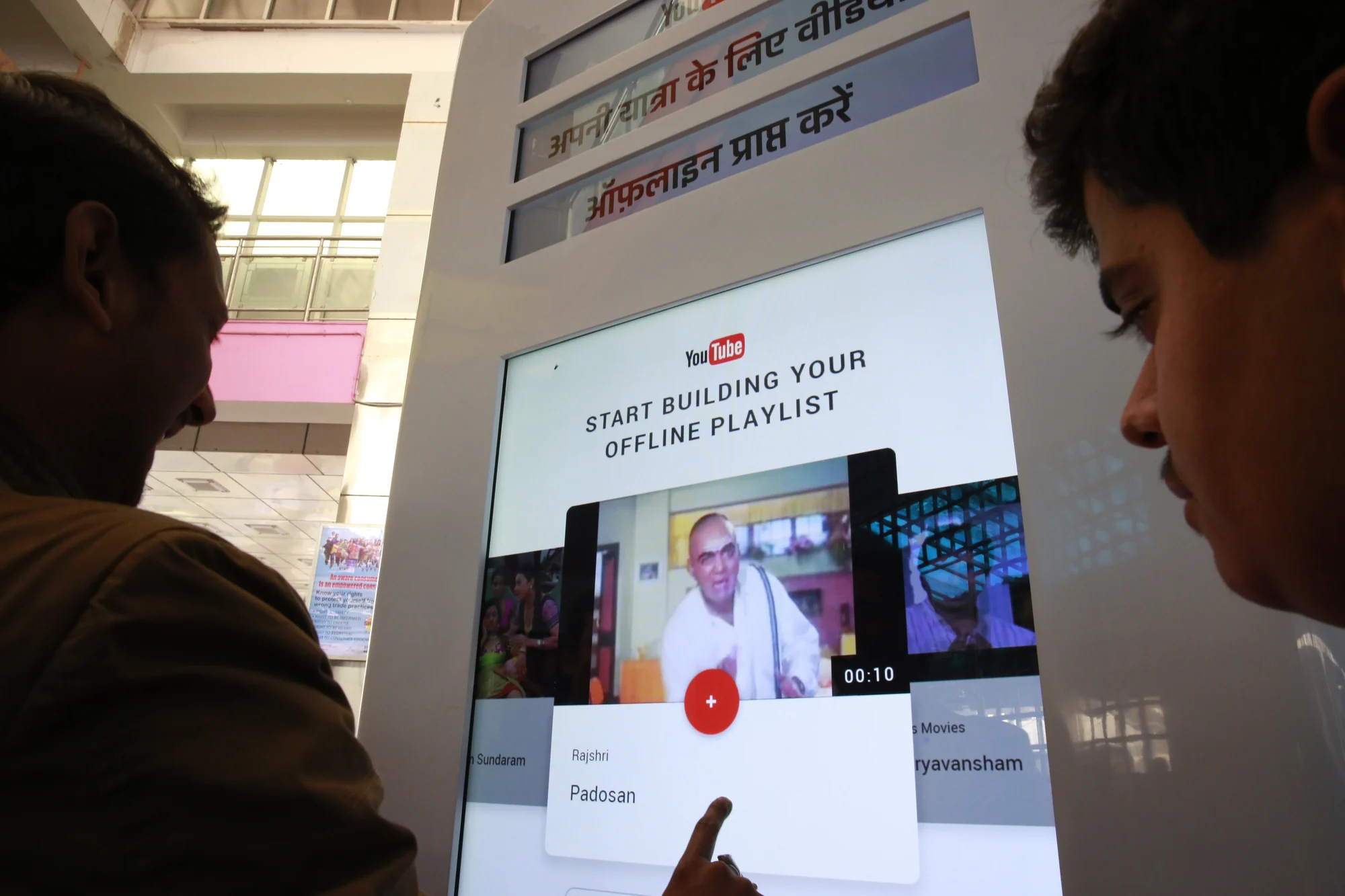
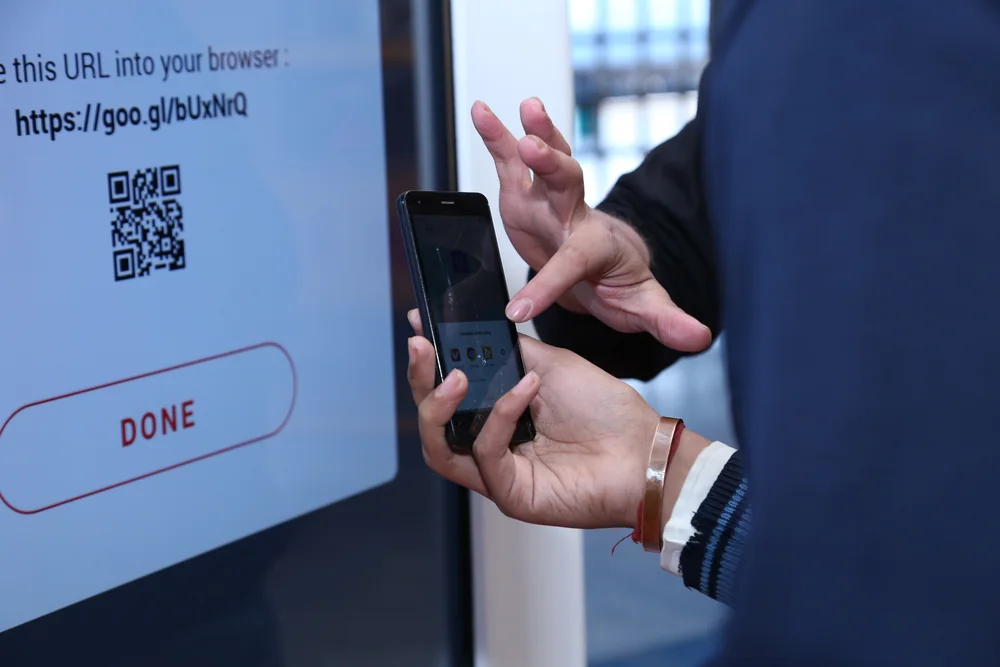
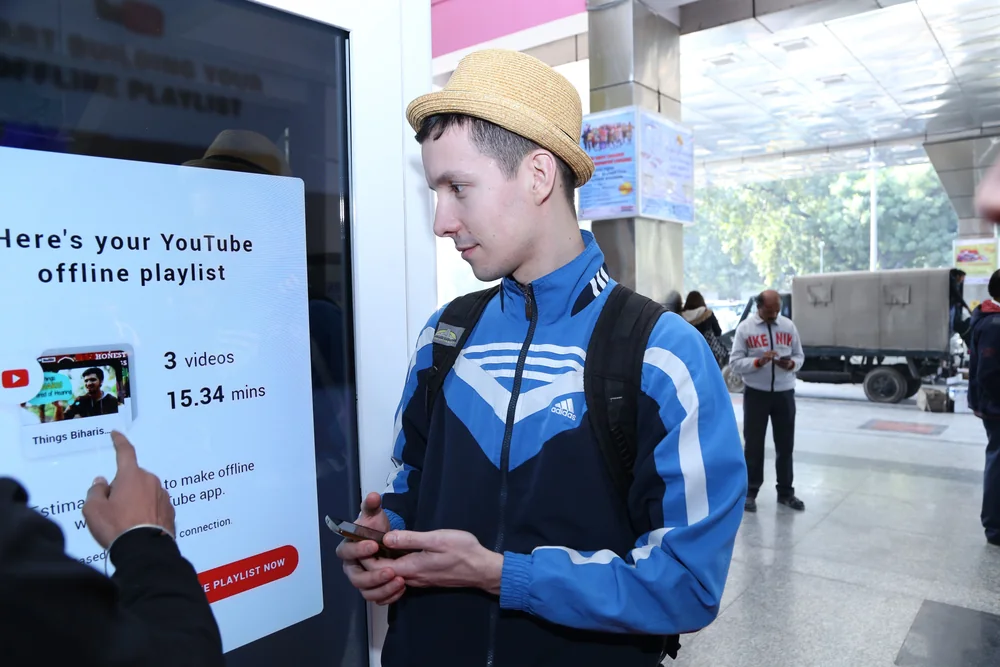
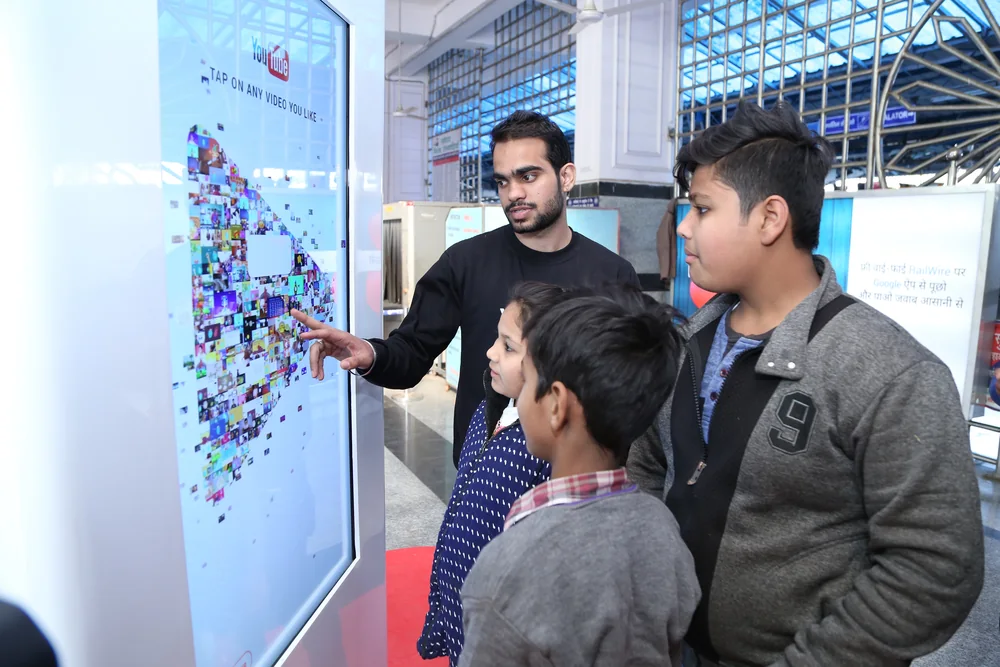
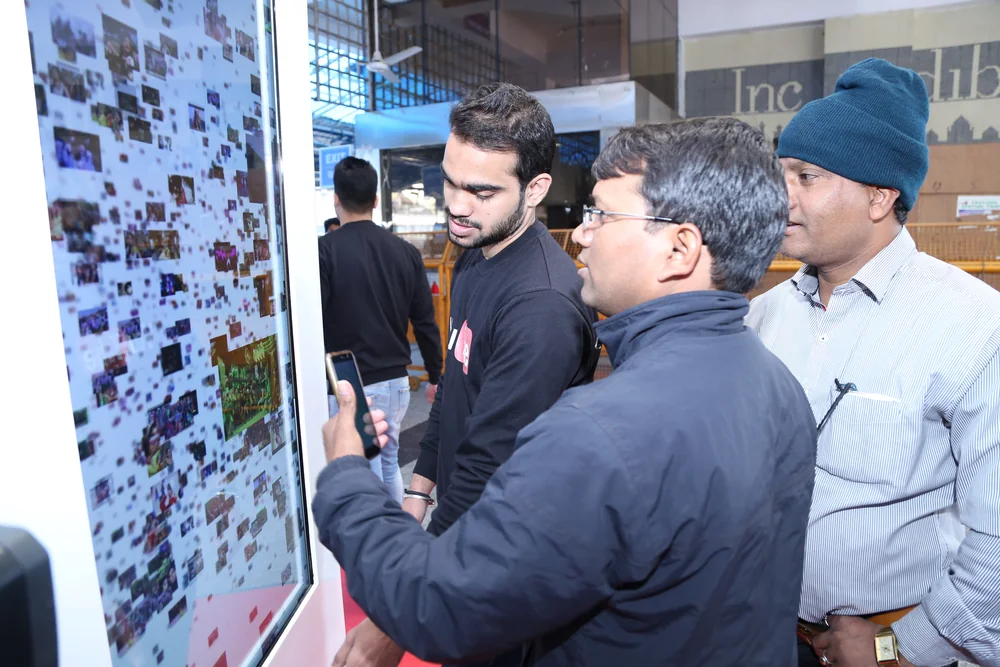
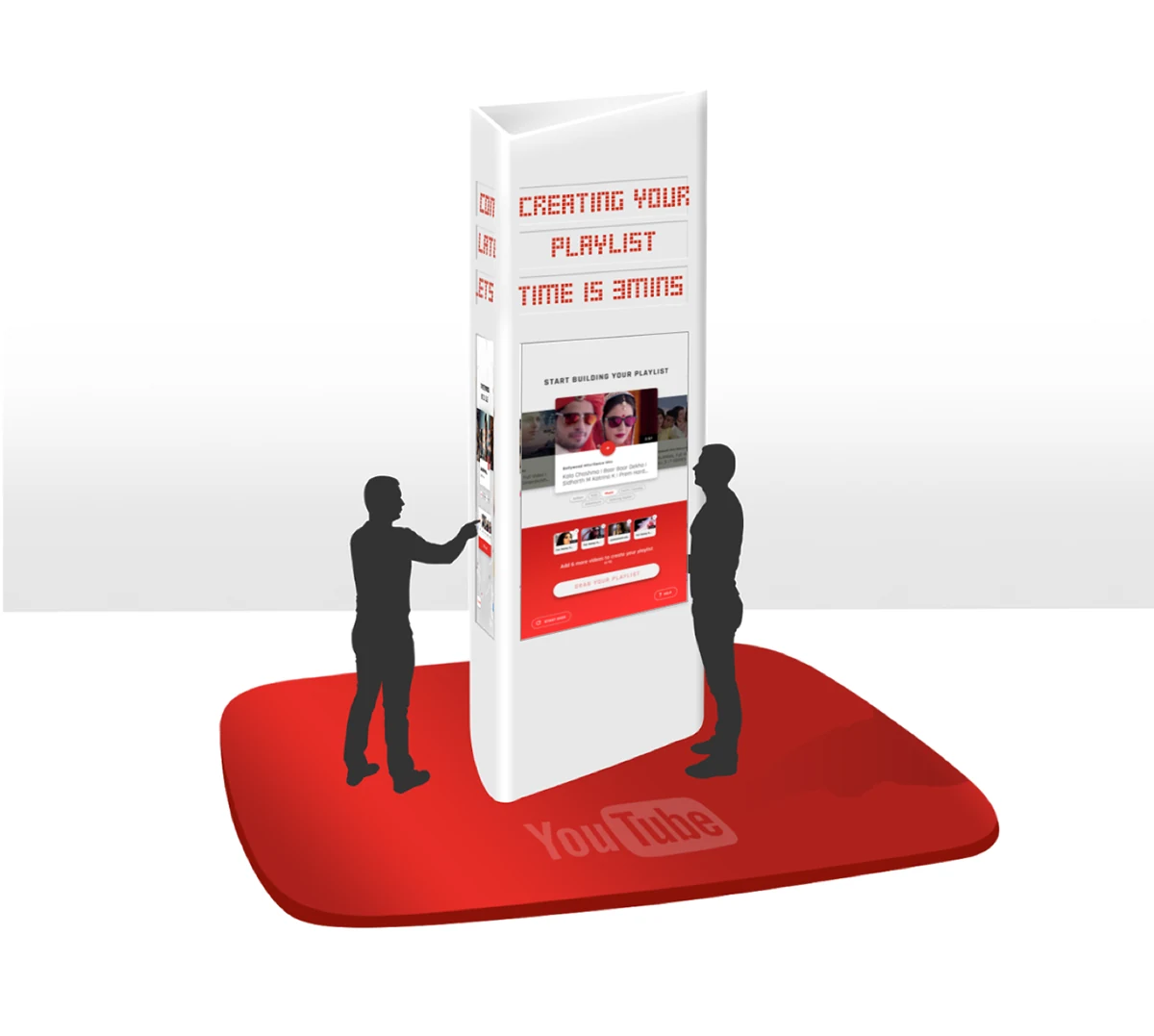
A giant touchscreen at Delhi's busiest station lets commuters browse real YouTube, watch previews, and drag videos into a personal playlist. They send it to their phone by SMS and board the train with entertainment already downloaded.
Building your playlist
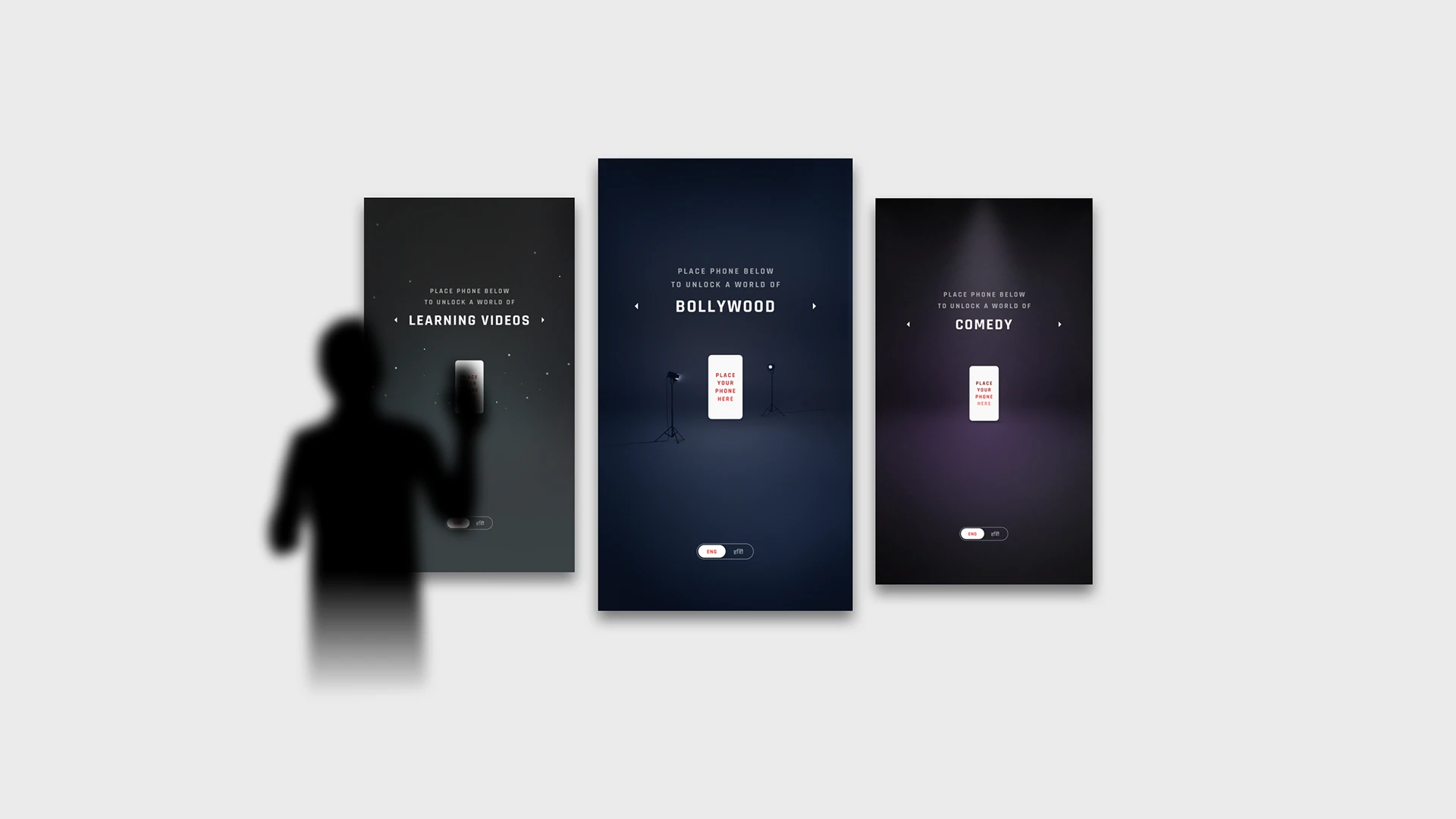
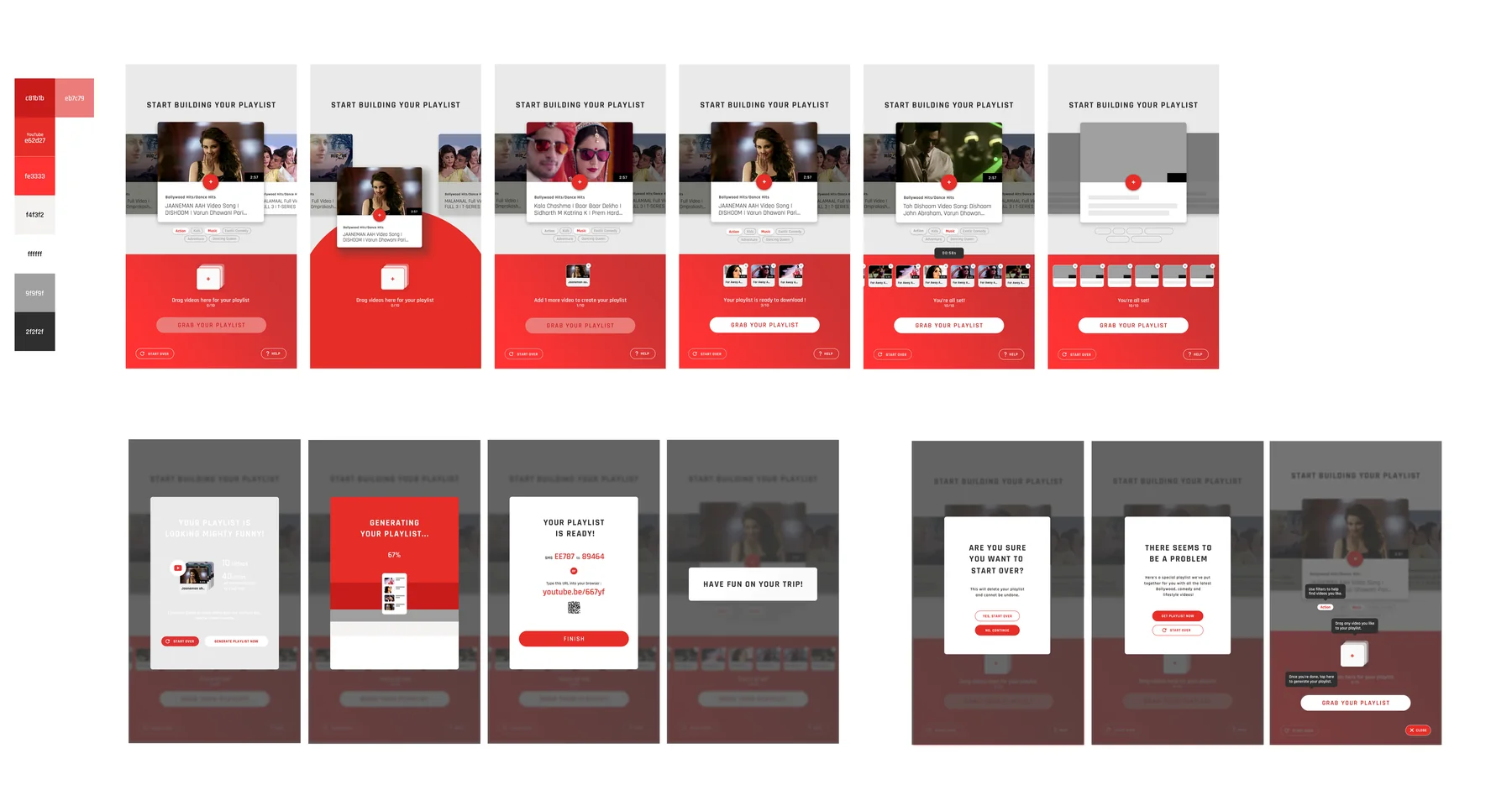
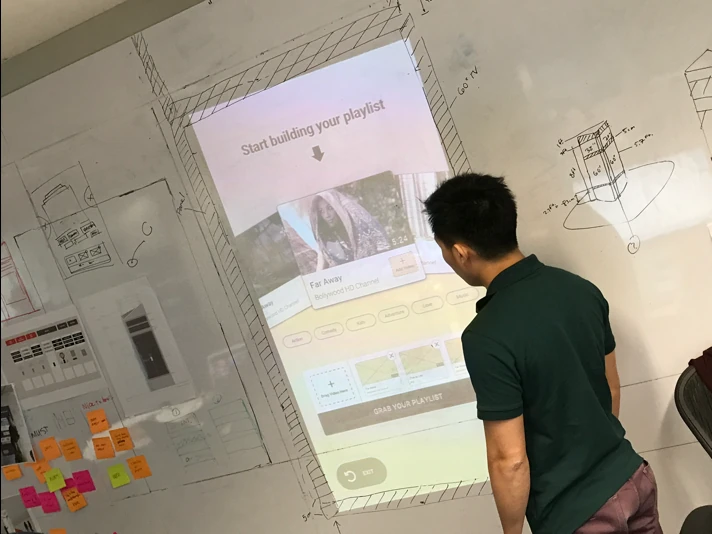
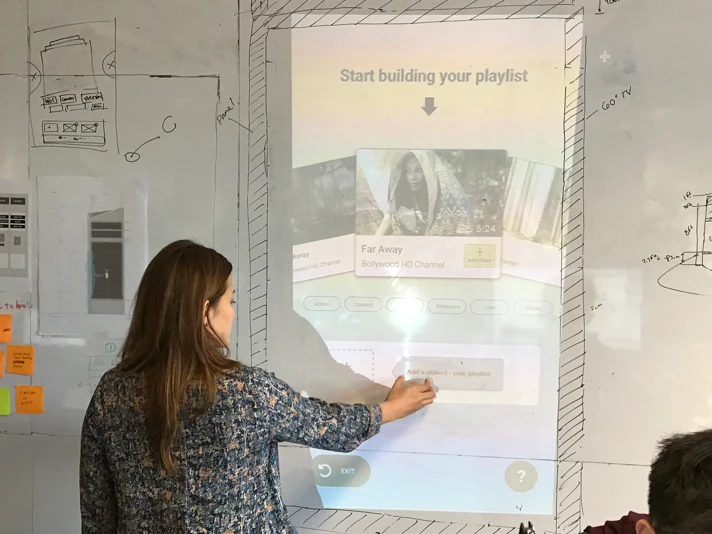
The interface teaches YouTube to a first-timer: place your phone, unlock Bollywood, comedy, or learning, then drag videos in and grab the playlist by SMS. Every step guides someone who has never seen the app, so anyone can finish.
Inclusive by design
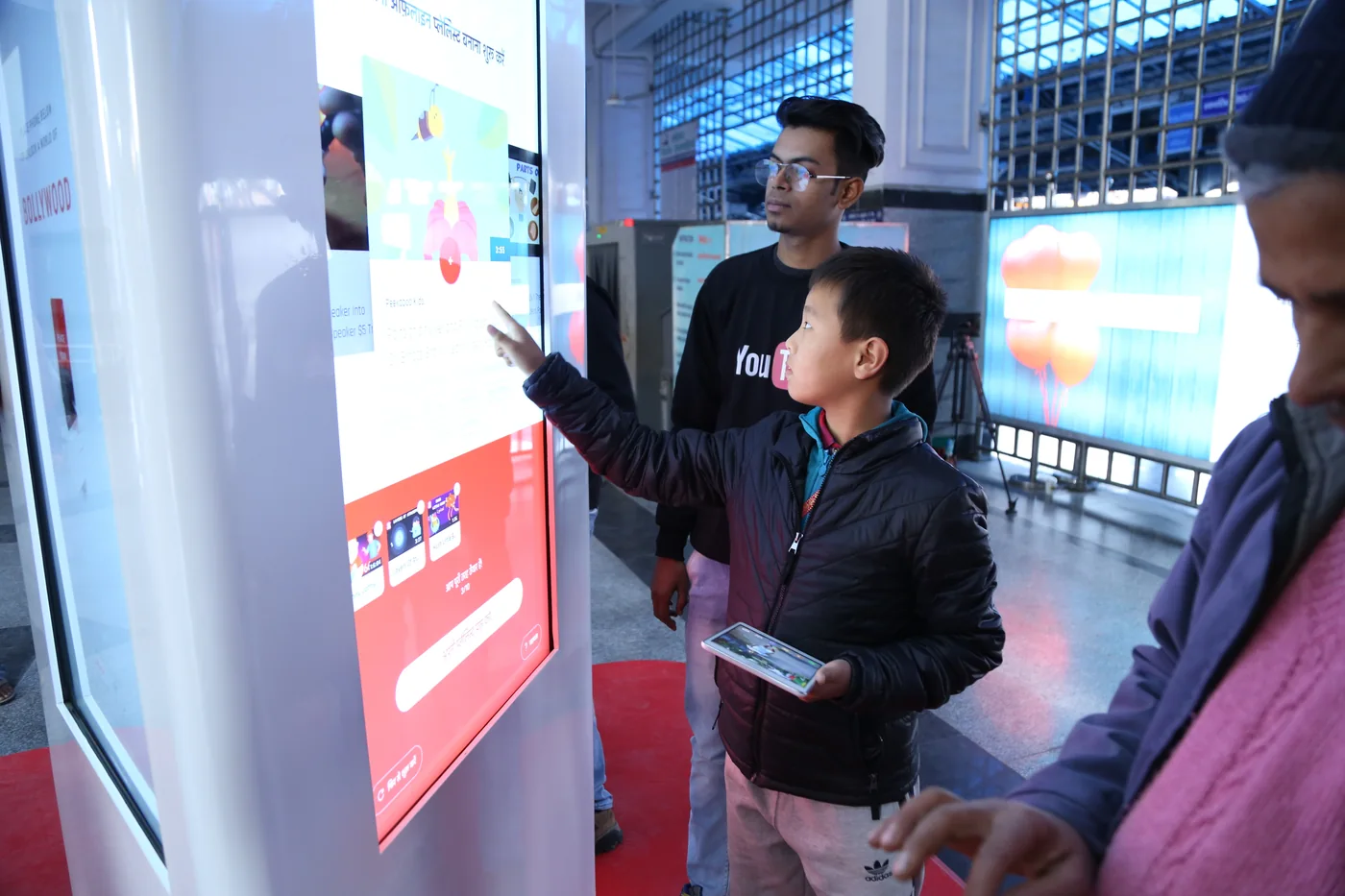
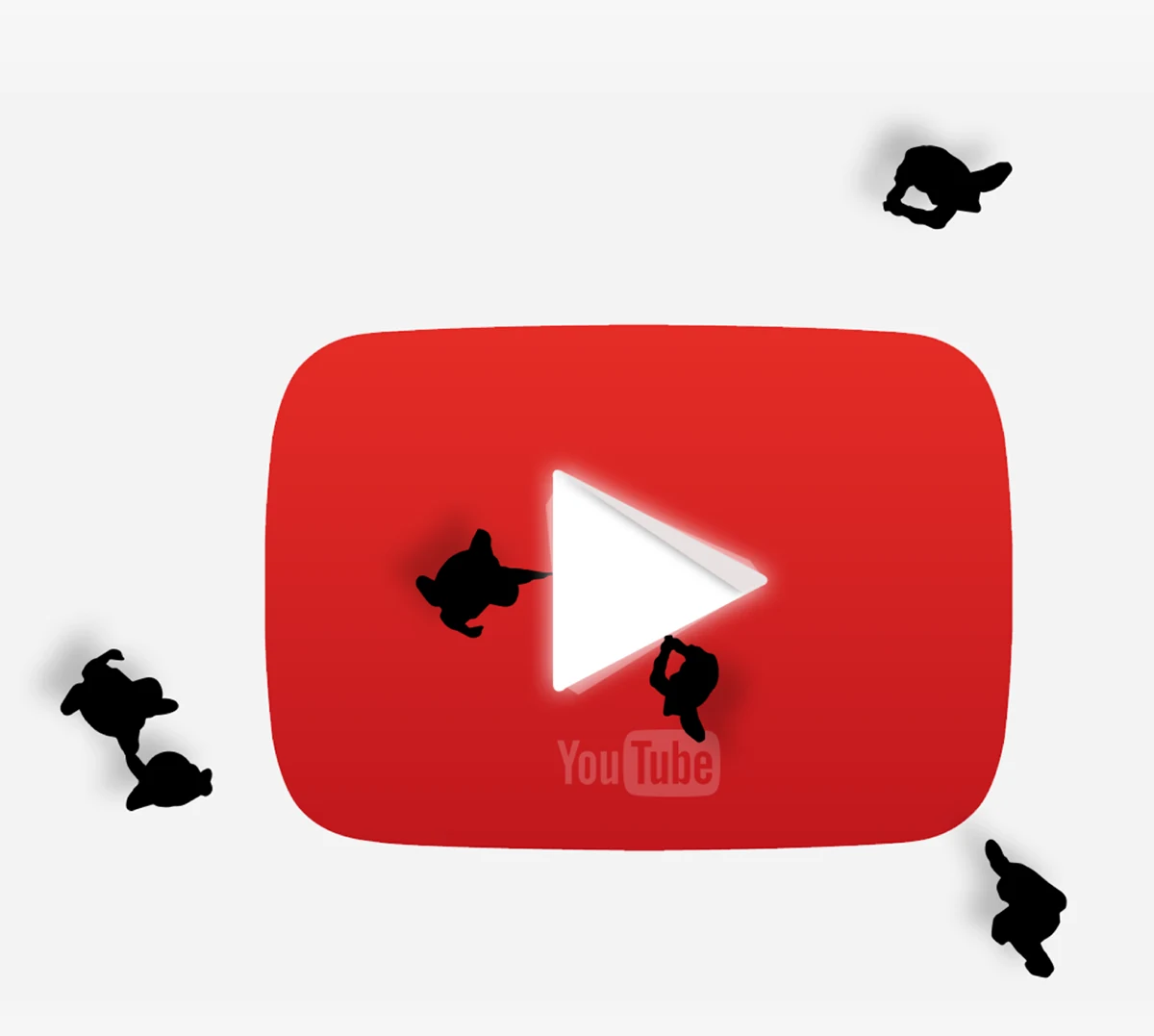
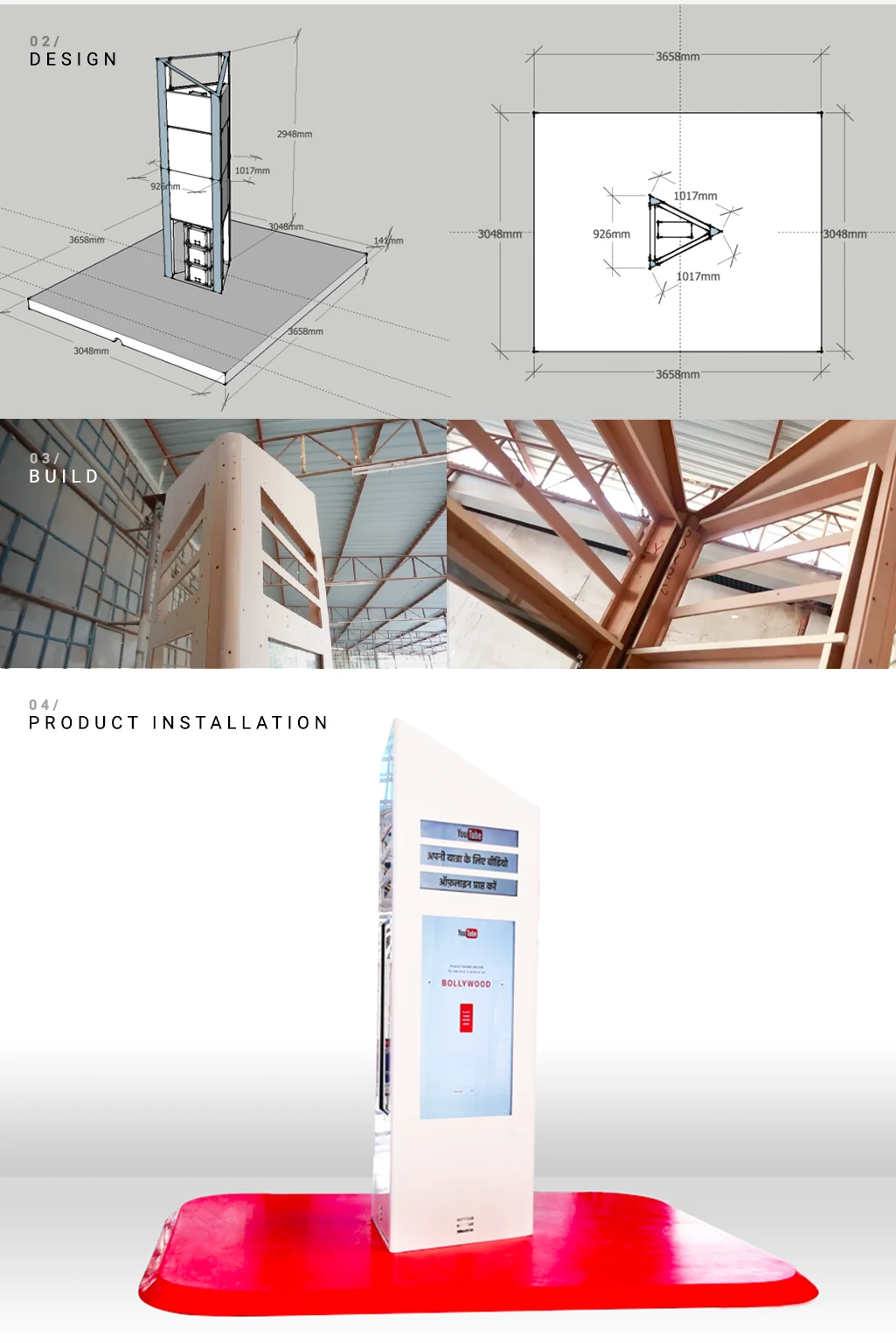
The installation stands tall, open, and legible from across the concourse, like a signpost anyone can approach. People from any background can walk up and take part, whatever phone they carry or apps they know.
Mapped every path first
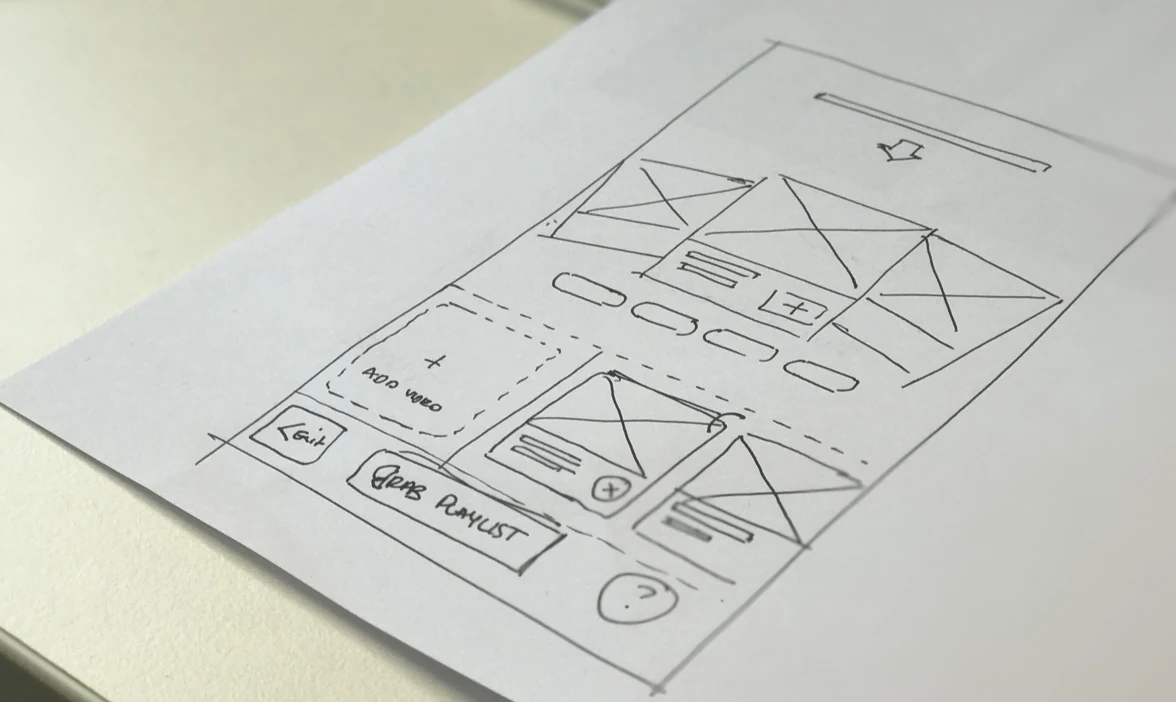
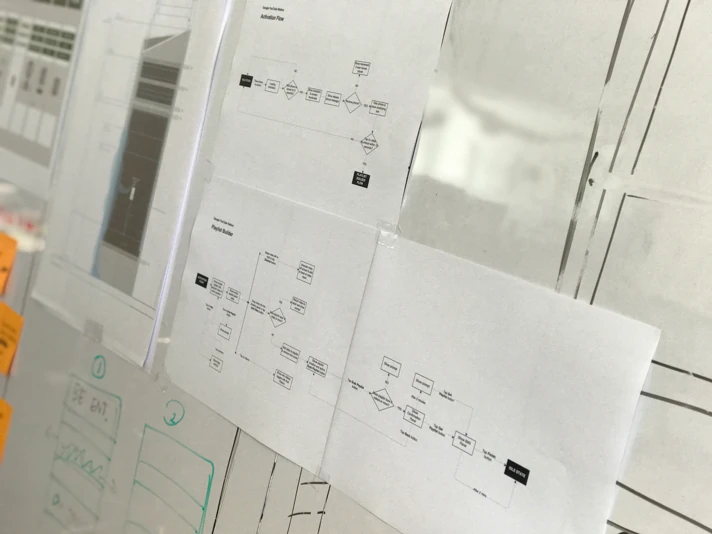
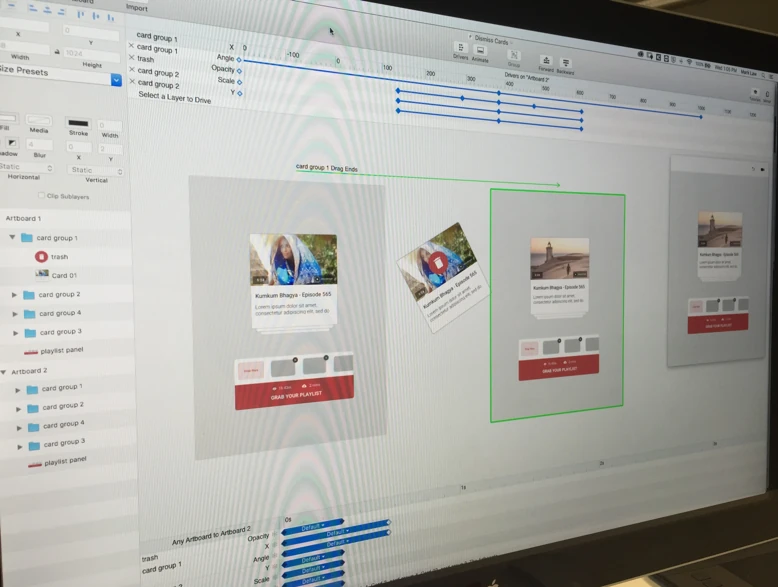
I mapped the full activation and playlist journey on paper, covering every branch a first-timer might take, then wireframed and prototyped the panels in Origami. Testing each path early meant no new user could hit a dead end.
Prototyped at full scale
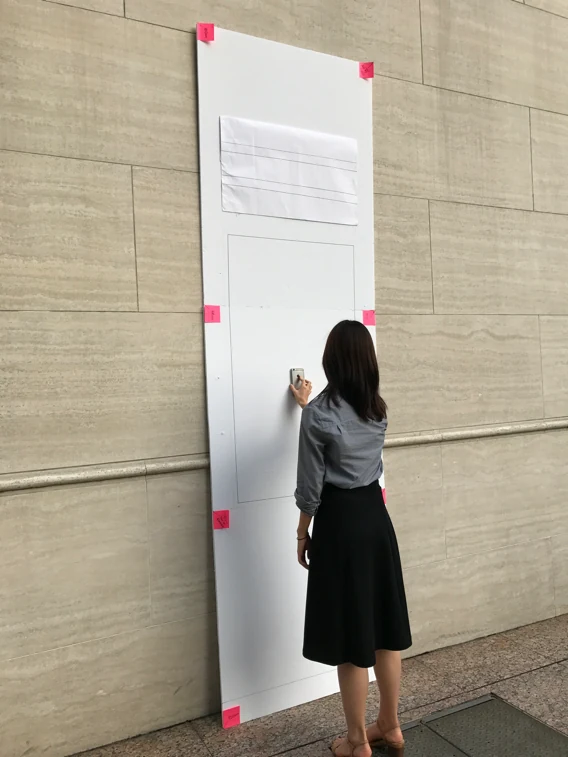
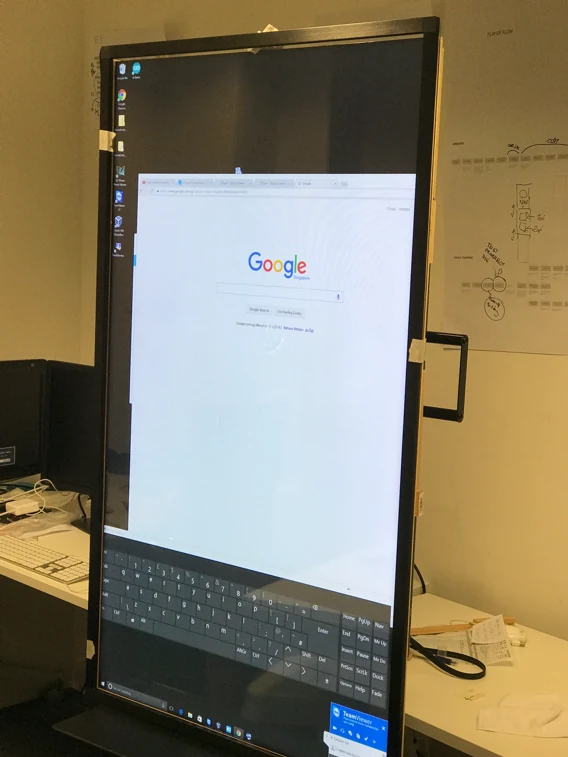
We built the kiosk life-size before shipping a panel: foamboard mockups on walls, projected flows, and real hands testing drag-and-drop at body height. Physical testing caught what screen mockups hide, like reach, ergonomics, and how strangers approach a two-metre screen.
The call I owned
I owned the concept and won Google's buy-in to launch exclusively onsite at the station, with no digital campaign behind it. Putting the whole bet in one place forced the experience to prove offline entertainment on its own.
Trade-offs
Offline over streaming. The experience builds a playlist while you stand still on free station wifi, then loads the videos onto your phone. Riders spend nothing on data and wait through no buffering on the train.
SMS over QR. We delivered playlists by SMS, which every phone in India can receive, after finding this audience had not widely adopted QR. The people the product was built for could actually complete the handoff.
Live on the platform
On launch day at Delhi's busiest station, commuters and first-time users walked straight up, built a playlist by hand, and left with entertainment for the ride. The concept proved itself the moment people realized the videos were free, with no data spent. That first success pulled interest from across India.